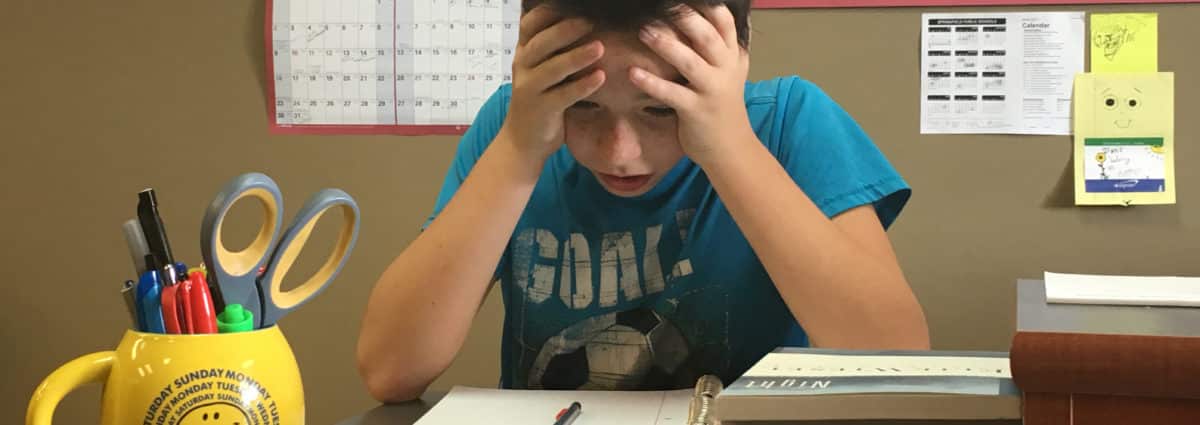


Oh the joys of adolescence. From experiencing a first crush to pushing the limits on curfews, high schoolers face so much at this time of their lives. Oftentimes, staying motivated in school is the last thing on their minds – but that doesn’t mean it’s a lost cause.
Keeping high school students motivated can be a challenge no matter where they’re in school. Whether in a traditional classroom setting or learning remotely, the task of how to motivate high school students is one that’s stumped educators and parents forever. Sure, in traditional classroom settings there are structured classes with set times for each lesson, but that doesn’t mean students don’t zone out. In fact, it can be even easier to get away with not paying attention when you’re one of many students in a classroom.
Then there’s homeschoolers. They have more flexibility in their schedule, but for some, this freedom makes it hard to stay on task. This can similarly lead to getting distracted distractions and a lack of motivation. What’s a parent (and/or educator) to do?
There are several strategies parents and teachers can implement to make sure students thrive academically, mentally, and emotionally. With consistent support, encouragement, and the right homeschooling program, high schoolers can stay engaged in their studies, invested in the material they’re learning, and on the success track. Here’s how.
Establish Clear Goals
It starts with setting academic goals for students. Whether it’s mastering a particular writing skill, completing a set of assignments, or achieving a specific grade, setting goals gives students a sense of direction and purpose. This approach works best when both short-term and long-term goals are outlined.
Suggested Short-Term Goals:
- Completing weekly assignments
- Refining specific writing techniques
- Mastering different types of essays (one per week)
Suggested Long-Term Goals
- Implementing proper sentence structure in a college essay
- Getting a certain grade by the end of the term
- Completing a10-week or 18-week writing program
Involving students in the goal-setting process can keep them invested and fired up to work toward those goals. Regularly revisiting and adjusting goals ensures that students stay on track and remain focused on crossing the finish line to success.
Create a Consistent Routine
Routines are great for instilling discipline and accountability. Even though homeschooling offers flexibility, some degree of a routine can help keep students on track.
Not having a routine makes it way too easy to procrastinate but it’s not just that. Without some structure, students often feel lost. If they feel like, “Where do I even begin?” chances are they’re going to have a pretty hard time getting started. Set your child up for success by giving them a hand.
Routines don’t just have to be for studying certain subjects. Build a variety of things into the schedule. A sample routine for any given day could look like:
- English
- Science
- Snack Break
- Math
- Phone Break
- Narrative Writing
- Lunch
- History
- Reading Break
- Flute Lesson
When students know what to expect each day, it reduces uncertainty and gives them purpose. Having something to look forward to, whether that’s completing one portion of the day or anticipating the next, could be all the motivation they need to power through.
A well-organized schedule also teaches time management skills, as students learn to balance academic work with other responsibilities. Incorporating regular breaks into the routine helps maintain energy levels and prevents burnout, ensuring that students stay refreshed and productive throughout the day. Additionally, a structured routine fosters a sense of accomplishment when students complete tasks on time, boosting their confidence and motivation.
Offer Incentives and Rewards
Incentives can be powerful motivators, and while candy and screen time are fine every once in a while, they’re not the only ones that exist. Offering rewards for completing assignments or reaching milestones can encourage students to stay focused and committed . This type of positive reinforcement makes the learning process fun; plus, when they actually care about the reward, there’s a little more at stake. Risking not getting to see their friends after school or having to stay home when everyone else is going to the soccer game could be enough of a reason to complete that grammar assignment.
Linking rewards to progress shows students that hard work pays off both now and for the rest of their lives. Eventually, they’ll see that the rewards are internal (i.e., pride, a sense of accomplishment, an easier time with lessons and concepts), but in the meantime, a little external coaxing won’t hurt.
Break Down Tasks Into Manageable Chunks
Motivating high school students can be tough because of the overwhelm they feel at this stage of their lives. Navigating adolescence is hard; there’s puberty, social dynamics, extracurriculars, and then college prep on top of it all – and that’s all aside from their day-to-day schooling responsibilities.
To make it all seem a little less insurmountable, break things down into smaller, more feasible components. Essentials in Writing is known for our bite-sized instruction. Short, focused daily lessons help improve retention and ease workload stress.
Each small chunk becomes a mini goal to achieve, and when it is, there’s a small sense of accomplishment that helps drive students to the next task at hand. Think of it this way: no one climbs Mt. Everest with one giant leap. It takes a lot of little steps to get to the top but with every step, you’re that much closer to reaching the peak – and when you get there, the view is pretty incredible.
Emphasize Real-Life Applications
Giving students a reason for their hard work can make all the difference. Showing them why it matters can help them wrap their heads around the importance of sticking with a challenging lesson or concept. When students see how what they are learning applies to the real world, they are more likely to stay engaged and motivated. Connecting lessons to real-life examples makes the material feel more relevant and practical. For instance, in a literature lesson, you can discuss modern-day social issues and connect themes from classic works to current events.
It goes beyond that, however. Here are some direct ways to take lessons beyond the classroom:
- Student: Why do I need to learn how to write a persuasive essay?
- Teacher/Parent:
- To convince your boss to give you a raise.
- To win a case as a top attorney.
- To change legislation as a state senator.
- Student: What’s the point of learning decimals and percentages?
- Teacher/Parent:
- To be able to easily calculate a tip when you’re out to dinner on a date.
- Teacher/Parent:
- Teacher/Parent:
To determine if an interest rate on a mortgage for a house you want to buy is a good deal.
Similarly, you could have students write essays on pressing topics, such as climate change, political movements, or technological advances, helping them understand how their studies relate to the world around them. This approach not only sparks their interest but also encourages critical thinking, personal reflection, and an increased sense of responsibility. It provides a deeper understanding of the material and motivates them to explore and engage with the world outside the classroom.
Incorporate Hands-On Learning
Homeschooling provides the perfect opportunity for hands-on learning, allowing students to engage with the material in a more interactive way. Incorporating activities that connect with the subject matter makes learning more dynamic and enjoyable. Whether it’s conducting a science experiment, creating a history project, or completing a creative writing assignment that they can submit to a local publication, students are more likely to stay motivated when they actively participate in their learning.
These hands-on activities help students better understand abstract concepts by giving them the chance to apply knowledge in real-world scenarios. Additionally, they foster creativity and problem-solving skills, making the learning experience more meaningful and memorable.
Allow for Some Flexibility
While a routine is important, flexibility is also necessary to accommodate the varying energy levels and attention spans of high school students throughout the day. Not every student is at their peak focus during a traditional school day, and some subjects or lessons may require more time and mental energy than others.
Allowing your student the flexibility to adjust their schedule as needed can help prevent frustration and burnout. For instance, if they’re struggling with a difficult lesson, giving them time for a break or switching to a different task can be a good reset.
Encourage Self-Directed Learning
Encourage students to take ownership of their learning by fostering self-directed learning. That’s exactly what we do at Essentials in Writing and it’s proven effective time and time again. This approach helps students develop crucial skills such as problem-solving, time management, and critical thinking, all of which are not only valuable in academics but also in life.
Giving them a say in how they learn promotes curiosity and independent thinking. It also teaches them how to be the arbiter of their own paths. They’ll learn how to set goals, manage their time effectively, and pursue knowledge beyond the limits of high school. e of a structured classroom environment. By taking charge of their learning, students develop a sense of responsibility and confidence, which empowers them to tackle challenges both inside and outside of their academic journey.
Set Up a Dedicated Study Space
Creating a dedicated study area for homeschooling is an essential step in helping students focus and stay organized. By separating the learning environment from a hangout space or a video game room, you’re setting boundaries. Students come to associate one area with work and one area with play. This is where I chill vs. this is where I challenge my brain in school. This physical boundary signals to students that there’s a place for play and a place to prioritize schoolwork.
The study area, or makeshift “office” should be well-organized with all necessary supplies readily available, such as textbooks, notebooks, and writing tools. It should also be quiet and free from distractions like television or excessive noise, promoting a calm and focused atmosphere conducive to learning.
Use Technology Wisely
In today’s digital age, technology can be both a blessing and a curse when it comes to homeschooling. On one hand, it gives you everything at your fingertips. There’s a wealth of online resources, educational apps, and interactive tools that can significantly enhance your students’ learning experience. These digital tools can make complex subjects more engaging and accessible, offering a variety of learning formats, including videos, quizzes, and games.
On the other hand, it gives you everything at your fingertips – which can be problematic if your kid gets easily distracted by Instagram, TikTok, and YouTube, all of which are just a click away. These readily available distractions can hinder productivity, so it’s a good idea to set boundaries for screen use or put parental controls on devices during school hours.
Foster a Growth Mindset
Encourage a growth mindset by celebrating effort over innate ability, focusing on the process of learning rather than the end result. Help your student understand that failure is not a setback but an opportunity to learn, adapt, and improve. Emphasizing the value of perseverance teaches them that challenges are part of the learning journey, not something to be feared or avoided.
When students recognize that their effort and determination lead to growth, they are more likely to stay motivated, even in the face of difficulties. This mindset fosters resilience and encourages them to keep pushing forward, knowing that improvement comes through hard work and persistence.
Engage in Regular Check-Ins
Check in regularly with your kid to assess their progress and ensure they are on track with their learning goals. These check-ins provide an opportunity to discuss their feelings, challenges, and accomplishments.
It also allows you to provide feedback, offer encouragement, and adjust your strategies as needed. Open communication is key to maintaining a positive and supportive relationship, helping students feel heard and understood. Regular discussions not only help identify areas that need improvement but also celebrate achievements, boosting motivation and reinforcing their sense of accomplishment.
Integrate Social Learning Opportunities
Even though homeschooling doesn’t have a traditional classroom setting, high school students still greatly benefit from social interaction with their peers. Engaging with others outside the home helps develop important interpersonal skills such as communication, teamwork, and problem-solving. Look for co-op classes, group activities, or local study groups that provide opportunities for students to collaborate on assignments, share ideas, and learn from one another.
These social environments not only allow students to make friends and build relationships but also create a sense of community and accountability. Peer interaction can inspire healthy competition, boost motivation, and help validate feelings of frustration when concepts become tricky to master. .
Encourage Reflection and Self-Assessment
At the end of each term or unit, encourage your child to reflect on their achievements. Self-assessment helps them recognize their strengths, areas for improvement, and overall progress. This reflection can show them how far they’ve come, which can be incredibly gratifying.
Motivating high school students in a homeschool setting isn’t a lost cause; in fact, with the right strategies, you have the power to help them become lifelong learners. By setting clear goals, creating a structured routine, using hands-on learning, and offering incentives, you can foster an environment where your student feels driven and determined to succeed.
At Essentials in Writing, we offer a structured, step-by-step curriculum designed to help high school students flourish. Our interactive video lessons teach writing and literature skills in a fun and manageable way, helping students build confidence as they learn. With our curriculum, students lead the way and parents are there to support. Let us help you keep your homeschooled high schooler motivated!